The ICAR Research Complex for North Eastern Hill Region, Umiam, Meghalaya, is developing
an Aqua-Village at Mawdwar under the Tribal Sub-Plan (TSP) to promote scientific fish farming and enhance rural livelihoods. The initiative
is being implemented by the Division of Animal and Fisheries Science (DAFS) through a phased training programme. The first phase comprised a
five-day training programme focused on alternative livelihood opportunities through value-added fish products such as fish pickle, fish sausages,
fish cutlet, and fish samosa. The second phase included two three-day training sessions conducted from February 27 to March 2, 2026. The first training
focused on promoting composite fish culture using high-yielding varieties, while the second training emphasized feed-based aquaculture practices to improve
productivity and sustainability. A total of 30 fish farmers from the village participated in the programme and gained knowledge on key aspects of scientific
aquaculture, including pond preparation and management, identification of suitable fish varieties for culture, quality fish seed selection and stocking techniques,
low-cost feed formulation, water quality management, aeration practices, fish health care, and marketing strategies.
The valedictory programme of the second phase was held on March 2, 2026, with around
50 participants in attendance, including trainees, members of three Self-Help Groups, and representatives of the local Darbar Shnong.
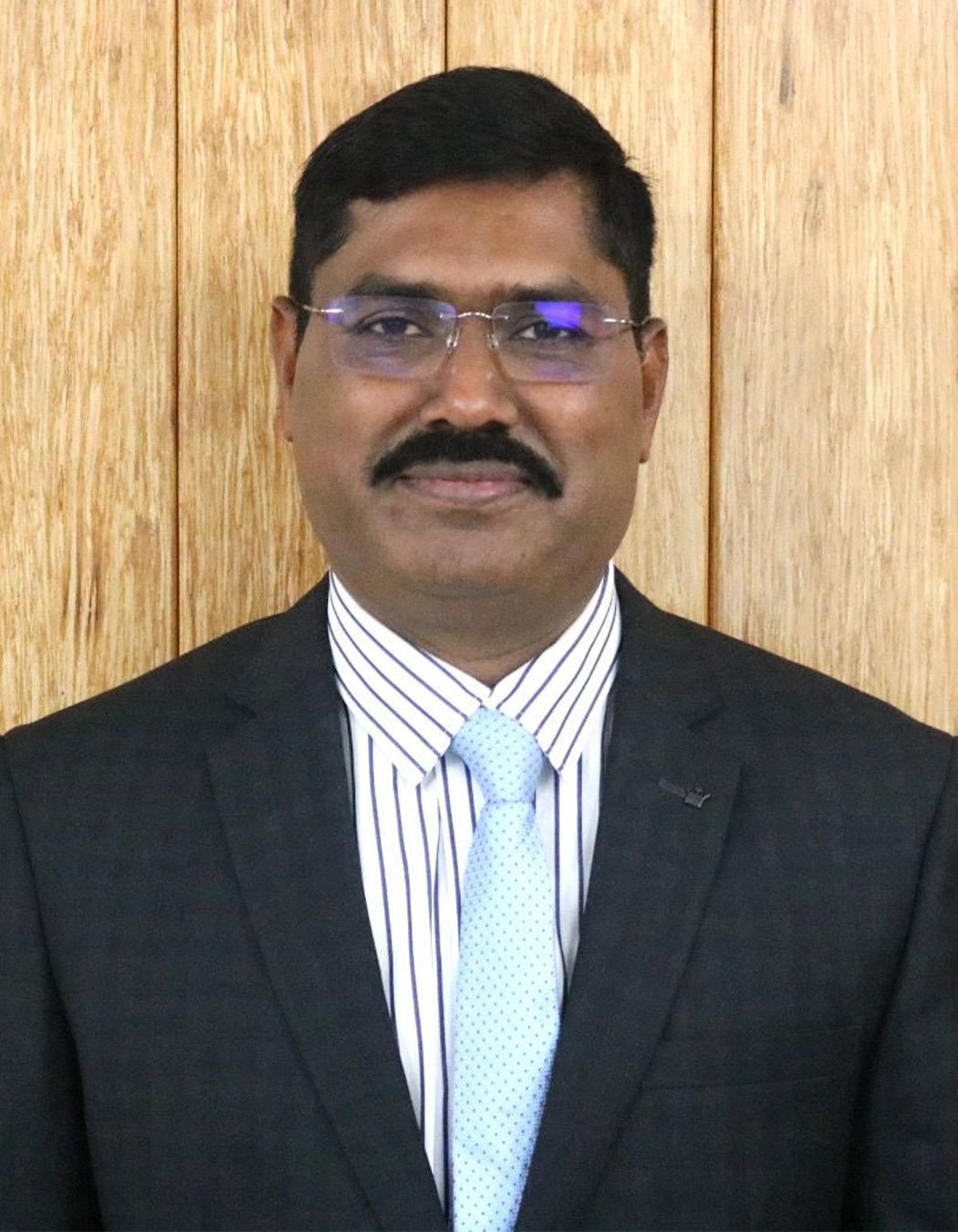
Dr. S. Ghatak, Director of ICAR-NEH, encouraged villagers to adopt the Aqua-Village model to strengthen fish production in the region.
Mr. I. Hinge, Executive Member (Fishery) and MDC of the Khasi Hills Autonomous District Council (KHADC), emphasized the importance of scientific
interventions to enhance fish production and move towards self-sufficiency.
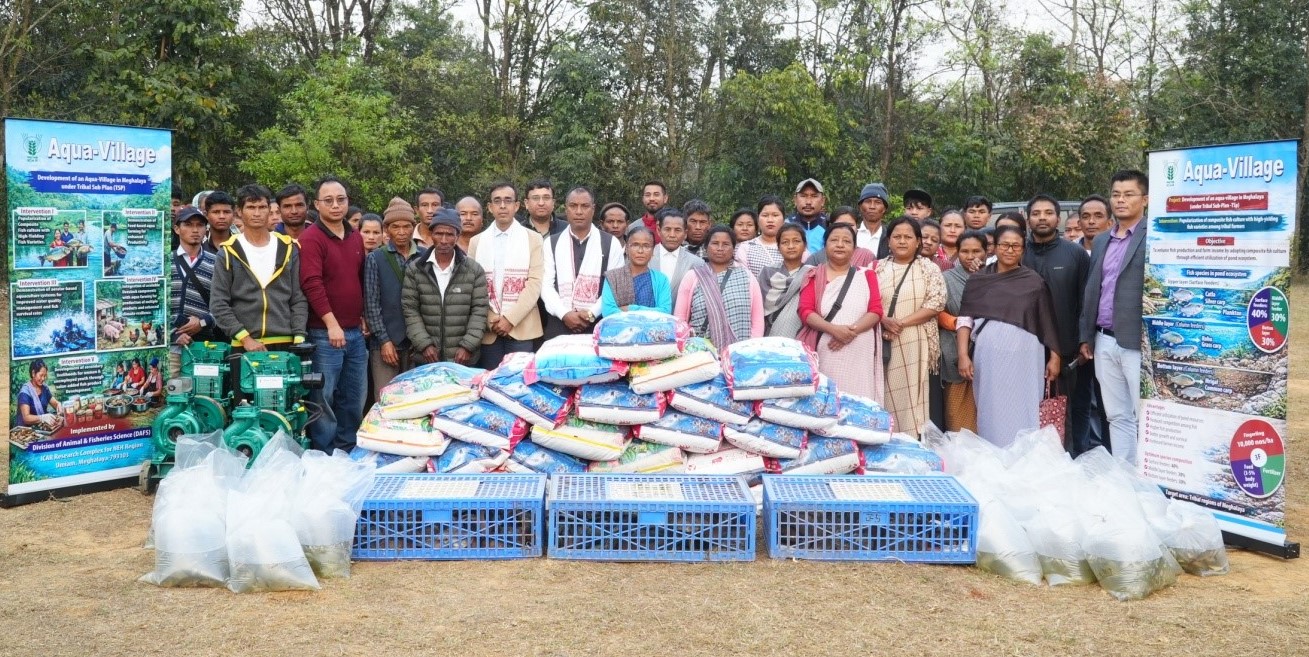
Under the TSP, essential inputs were supplied free of cost to the trainees following the second phase of training.
These included 3,000 fish fingerlings, 600 kg of floating feed, 60 Khaki Campbell ducks, and two 5 HP water pumps. The custody of the water pumps was entrusted to
the Dorbar Shnong to ensure their proper utilization in aquaculture operations and other aqua-allied activities. The programme concluded with the release of fish fingerlings
and stocking of ducks in village ponds in the presence of officials and community members.
The programme was coordinated by Dr. C. Debnath, Senior Scientist (FRM), with support from Mr. S. Gojendro Singh, Scientist SS (FRM),
and Mr. P. Mahanata, Technical Officer, DAFS, under the guidance of Dr. S. Ghatak, Director and Head, DAFS. Being developed as a first-of-its-kind model Aqua-Village in Meghalaya, the
initiative is expected to serve as a replicable framework for strengthening aquaculture practices in tribal areas and enhancing income generation and livelihood security.