


On 3rd March 2026, a team of scientists from ICAR Research Complex for NEH Region, Umiam, Meghalaya,
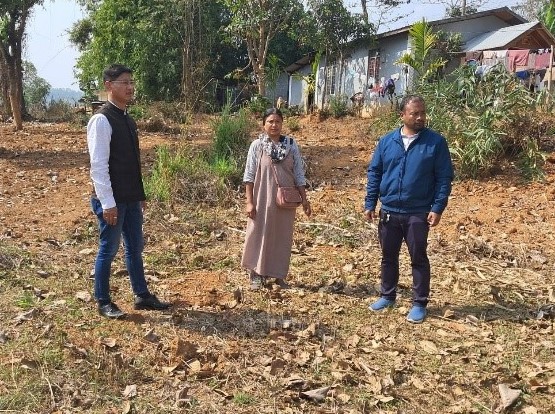
carried out a field visit to Bhoirymbong and Thadnongiaw villages in Ri-Bhoi District, Meghalaya with a primary focus on monitoring the proposed implementation
sites for the construction of Solar Tunnel Dryers under the Tribal Sub-Plan (TSP) project. The visiting team comprised Dr. Nongmaithem Utam Singh, Senior Scientist,
Division of Technology Assessment and Capacity Building (DTAC); Dr. Hijam Jiten Singh, Scientist, Division of System Research and Engineering (DSRE); and Dr. Huidrom Dayananda Singh,
Scientist, DSRE.
The visit was conducted as part of the ongoing monitoring and evaluation process to ensure the appropriate
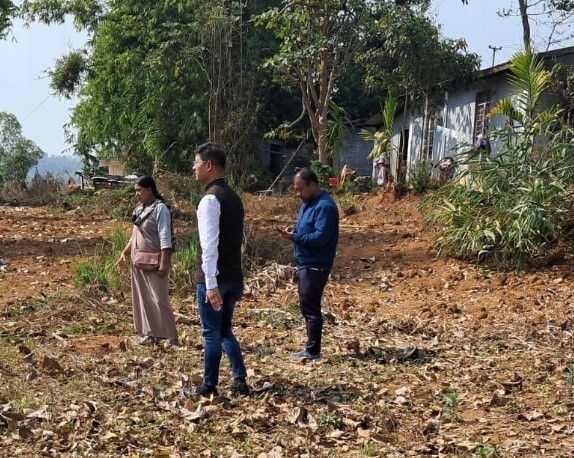
selection of locations and the technical feasibility of installing solar tunnel dryers for the benefit of local farmers. During the field inspection, the scientists
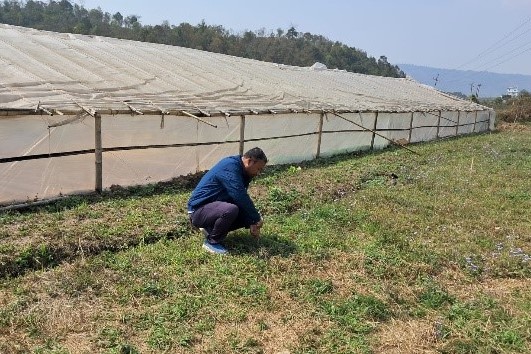
closely monitored the proposed sites, assessing key parameters such as land suitability, availability of space, accessibility, and overall feasibility for the construction
and operation of the solar drying units.
An interactive discussion was also held with representatives of the farming community, during which
the team explained the importance and benefits of solar tunnel drying technology in improving the post-harvest management of agricultural and horticultural
produce. The interaction provided an opportunity to gather feedback from farmers and to understand their requirements and expectations regarding the proposed technology.
Based on the monitoring observations and the site requirements for construction, suitable locations
were identified, demarcated, and finalized for the installation of the solar tunnel dryers. As part of the preparatory steps for implementation, the
farmers were advised to initiate cleaning and basic preparation of the selected sites so that the construction work could commence smoothly in the near future.
The monitoring visit played a crucial role in ensuring that the project interventions are implemented effectively
at the field level, thereby contributing to improved post-harvest handling, reduction of losses, and enhanced livelihood opportunities for tribal farming communities in the region.
 |
 |
 |
 |